RECORDED IN ISAAC SIM
01
Magnetic gripper
Magnetic field and holding force of a permanent-magnet gripper, computed on the GPU. Next: the SCHUNK EMH RP 084.
Actuator heat loss, battery life, magnetic fields and more, in your robotics simulation stack.
Unitree G1 · Illustrative animation
Today’s robotics simulators model rigid bodies. A motor is reduced to stiffness and damping, and the physics inside the hardware is left out.
We add the missing physics:
We couple existing rigid-body simulators to multiphysics solvers, on the GPU. You keep the scale you need for reinforcement learning and world models, and gain the parameters that close the sim2real gap.
Magnetic field and holding force of a permanent-magnet gripper, computed on the GPU. Next: the SCHUNK EMH RP 084.
A robot’s joints change colour as they heat up under load and cool down at rest.
A Unitree G1 walks while its joint torques drive battery current and state of charge in real time.
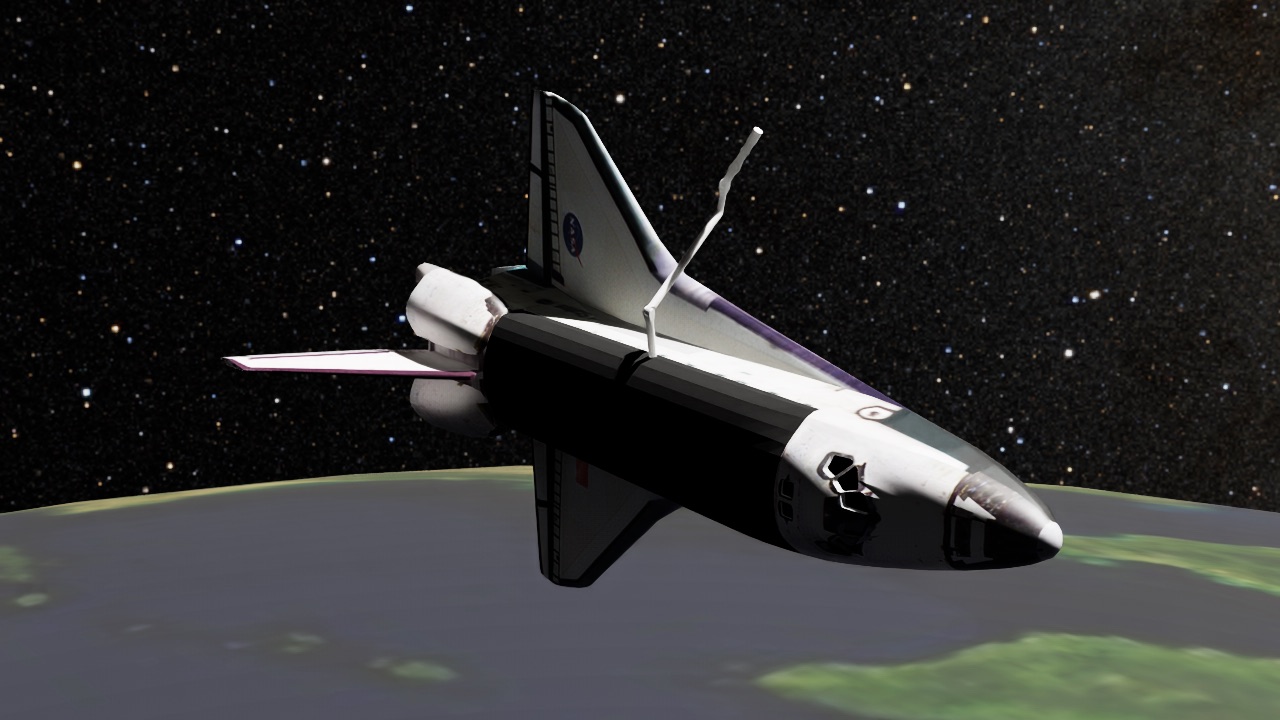 CANADARM · RENDER
The Canadarm, with real mass properties, capturing a free-floating payload in zero gravity.
Running on NVIDIA Warp, a purpose-built open-source Python framework that delivers GPU acceleration for computational physics, AI and optimization workflows.
Combining CFD and FEA solvers with machine learning to make traditional physics simulation much faster.
Most simulations run short episodes in isolated environments. Real robots run autonomously for hours, and small effects add up: heat builds in the joints, cells drift apart, charge runs out.
Simulating the full mission shows the forced stop before it happens in the field, and lets you validate the control strategy that avoids it: fewer motor starts and brakes, less energy.
VLAs go from prompt to pixels to actuator commands, with little control in between. Physical limits like actuator temperature give them a safety guardrail.
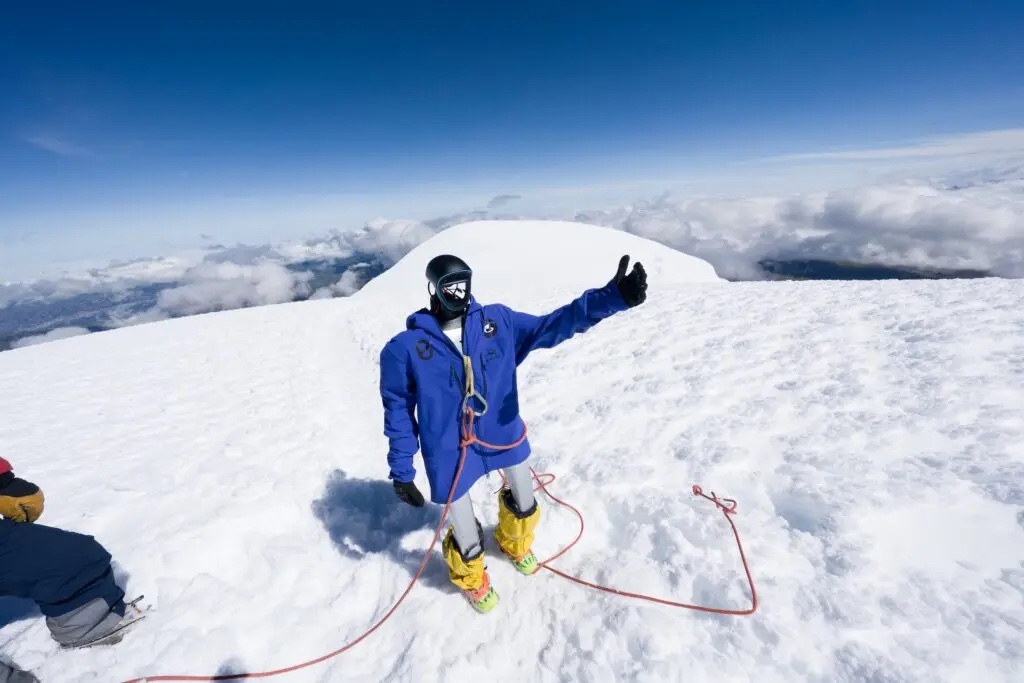
We will test the simulation in the harshest environment on Earth. As part of Robot Everest, we will validate sim2real on a real Unitree G1 attempting to become the first humanoid to climb in the Himalayas, in April 2027.
Cold, altitude and a full autonomous mission will give us motor, battery and thermal data no lab can produce.
Photo: Robot Everest